What Is PDLC Window Film and How Does It Work?
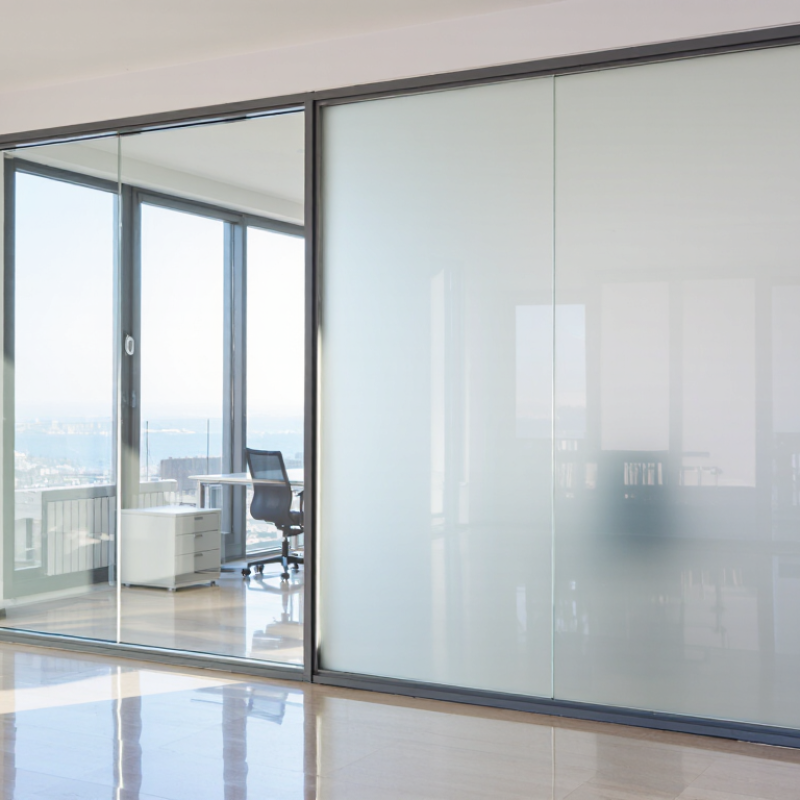
Pdlc Window Film is a switchable privacy layer that changes appearance when electricity passes through it. In its clear state, natural light enters and interior spaces remain visually connected. When power stops, liquid-crystal particles scatter light, creating a frosted surface. Privacy arrives quickly. It is not complete darkness.
The film usually contains conductive coatings, liquid crystals, and polymer layers between protective sheets. A low-voltage controller activates the film across a window, partition, meeting-room wall, or bathroom panel. Installation experience matters. Dust, uneven glass, and poor wiring can cause visible flaws. The film also needs suitable glass, careful measurements, and stable electrical connections. It cannot correct every solar-heat problem, and it should not be treated as a replacement for every curtain or blind.
Dr. Helen Sanders, a recognized dynamic-glazing specialist, has said, “Dynamic glazing is about managing light, heat, and privacy, not simply making glass smart.” This view gives Pdlc Window Film a more realistic place in modern design. It improves privacy control while preserving a clean, open appearance. However, performance depends on product quality, glass orientation, climate, and daily use. Some claims sound too perfect. They deserve testing.
A useful evaluation should compare switching speed, haze, power consumption, warranty terms, and installation support. Touch the sample. Watch it change. Check the edges closely. That small inspection may reveal more than a polished brochure. Properly selected Pdlc Window Film can support flexible spaces, but thoughtful planning remains essential.
What Is PDLC Window Film?
What Is PDLC Window Film?
PDLC window film is a switchable privacy layer placed over glass. PDLC means polymer-dispersed liquid crystal. Inside the film, tiny liquid crystal droplets sit between conductive layers. When electricity flows, the crystals align and let light pass through. The glass looks clear. When power is turned off, the crystals scatter light and create a frosted appearance. Privacy appears quickly, often within seconds. The exact result depends on the film, glass, wiring, and installation quality. It is not magic.
This film helps divide rooms without permanent walls. It can suit offices, bathrooms, clinics, meeting rooms, and home interiors. From practical installation experience, clean glass matters greatly. Dust or air pockets can remain visible beneath the surface. PDLC film also controls visual privacy, not every kind of light. Bright sunlight may still enter, and nighttime silhouettes can appear under strong indoor lighting. Some films provide better heat or ultraviolet control than others, so technical data should be checked before purchase. Performance may disappoint if expectations are too broad.
Tips: Ask about power use, switching speed, warranty terms, and cleaning limits. Confirm whether the film works with your existing glass and electrical system. Test a sample beside a window before covering a large area. Keep the wiring protected from moisture. A professional installer can check glass condition, measure accurately, and reduce visible installation flaws.
How PDLC Window Film Is Structured
PDLC window film is built as a layered electrical system. Its core contains liquid crystal droplets suspended in a polymer matrix. This layer sits between two transparent conductive coatings, commonly made with indium tin oxide. Glass or plastic substrates protect the active layers. Thin busbars deliver alternating current across the film.
Without electricity, the liquid crystals point in random directions. Light scatters, creating a frosted appearance. When voltage is applied, the crystals align and allow light to pass through. The film becomes transparent within seconds. It does not darken glass like traditional tinted film. Instead, it controls privacy by changing light transmission.
Grand View Research estimated the global smart glass market at about 7.5 billion dollars in 2023. Its forecast included a 10.3% compound annual growth rate through 2030. However, market reports vary because some combine PDLC, electrochromic, and suspended-particle technologies. That difference deserves attention.
Tips: Inspect the busbars before installation. Uneven pressure can create cloudy edges. Confirm the film’s voltage, switching speed, and visible light transmission. A professional installer should also test power stability across the entire panel. PDLC is practical, but it is not flawless. The film may still appear slightly hazy, especially under strong sunlight.
How PDLC Technology Changes Glass Opacity
PDLC window film changes glass opacity through electrically controlled liquid crystals. In its unpowered state, microscopic droplets scatter light and create a milky, private surface. Apply alternating current, and the crystals align with the electric field. Light then passes through more directly. The glass becomes clear within seconds, depending on film quality, temperature, panel size, and controller design.
This change is practical, not magical. PDLC film can block visual access, but it does not automatically provide strong solar control. A clear panel may still admit sunlight and heat.
The U.S. Department of Energy estimates that windows can represent 25–30% of residential heating and cooling energy use.
Therefore, opacity control should work with low-emissivity glass, shading, or suitable solar-control layers.
The technology also supports flexible room planning. A meeting room can turn private during a presentation, then reopen for daylight. It uses power mainly while transparent, although system design affects consumption.
The International Energy Agency reported that buildings consumed about 30% of global final energy in 2022.
That figure gives smart glazing a serious role, but not an unlimited one. Performance depends on installation quality, edge sealing, wiring, and cleaning conditions. Dust near exposed edges can reduce visual quality. Intermediate opacity can also look uneven, especially across large panes.
This is an important limitation often missed in promotional descriptions. Testing the actual glass assembly remains wiser than trusting film specifications alone.
Where PDLC Window Film Is Used
PDLC window film changes from clear to opaque when an electrical current reaches its liquid-crystal layer. This simple switch supports privacy without heavy curtains or permanent frosted glass. In real projects, placement matters more than appearance.
Offices often use it on meeting-room walls and interior glass doors. Staff can create privacy during discussions, then restore visibility for an open layout. Clinics use it for consultation rooms, treatment areas, and observation spaces. It helps protect patient dignity while allowing natural light. Homes may apply it to bathroom windows, bedroom partitions, and street-facing glass. Retail stores can reveal displays during opening hours and hide them during preparation.
Hospitality spaces also benefit. Hotels, restaurants, and event venues can change the atmosphere within seconds. Schools may install it in administration rooms or flexible classrooms. Some designers use it for projection surfaces, but image quality depends on lighting and film condition. It is not perfect. Dust, wiring limits, and uneven glass can affect the final result.
Tips: Check the glass size, power location, and viewing angle before installation. Ask a qualified installer to test samples under daylight and indoor lighting. Clean the surface carefully. Small defects become obvious after switching. Avoid assuming every window needs PDLC film; blinds may suit some rooms better.