Best Wine Cellar Doors for Your Home Wine Collection?
Creating the perfect wine cellar can be a rewarding journey. One essential element that often gets overlooked is the wine cellar doors. These doors are more than mere entry points; they set the tone for your entire wine collection.
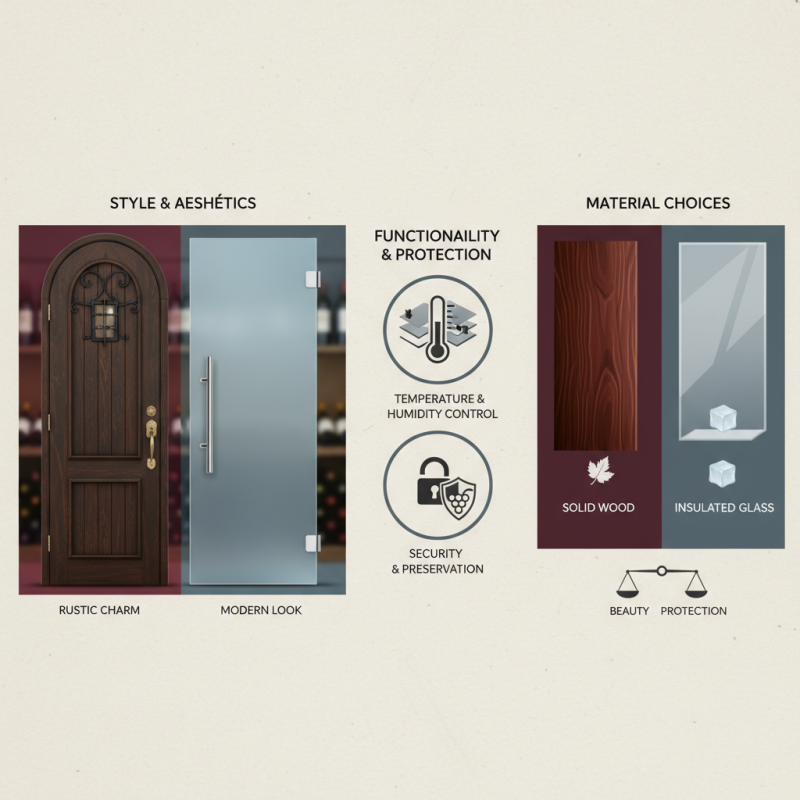
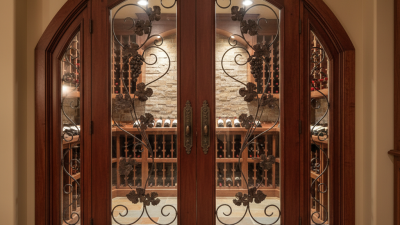
Quality wine cellar doors should not only reflect your style but also keep your wine safe. They need to be well-insulated to maintain the ideal temperature and humidity levels. Consider materials like solid wood or glass, each offering unique aesthetics.
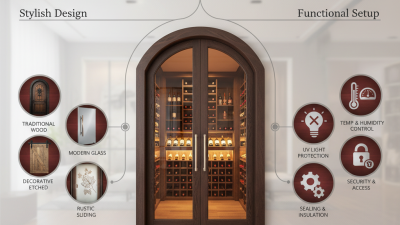
Choosing the right design can be challenging. Do you prefer a modern look or a rustic charm? Remember, your wine cellar doors must balance beauty and functionality. Reflecting on your choices can lead to a more gratifying selection. In the end, these doors play a crucial role in protecting what you've curated.
Importance of Choosing the Right Wine Cellar Door for Your Collection
When curating a wine collection, the importance of selecting the
right wine cellar door cannot be overstated. A good door protects against
temperature fluctuations, which can ruin delicate flavors. Research indicates that maintaining a consistent
temperature around 55°F is crucial for aging wine. A poor-quality door may not
provide adequate insulation, allowing heat and humidity to creep in.
Additionally, the door's design can affect the overall aesthetics of your wine cellar. An attractive door can
complement the space and enhance the experience of accessing your collection. Some studies suggest that
well-designed environments can increase user satisfaction by up to 30%. Yet, the material
and seal of the door are often overlooked. For example, a wooden door may offer better insulation than a metal one,
but it requires regular maintenance.
Reflecting on your options is vital. A glass door allows visibility but may
not provide the best insulation. In contrast, solid wood can ensure better
protection but may lack visual appeal. It's a trade-off. Consider your climate and how often you access your
wine. The right door can make a significant difference, impacting not just
your collection's longevity but also your enjoyment of it.
Types of Wine Cellar Doors: Materials and Styles Explained
When designing a wine cellar, the choice of door is crucial. Different materials can impact both aesthetics and functionality.
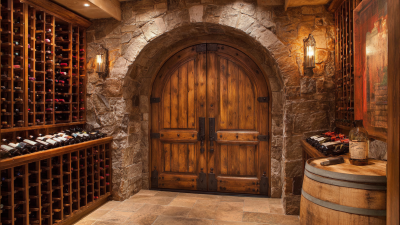
Wooden doors, often considered classic, offer a warm look. However, they may not always protect against humidity. Glass doors, on the other hand, provide visibility into the collection. Yet, they require careful maintenance to remain clear and scratch-free. According to industry reports, more homeowners seek custom doors, reflecting personal style.
Steel doors are gaining popularity for their durability and insulation. They can maintain the ideal temperature for wine storage. Yet, they might seem cold in design. Composite materials combine beauty with practical benefits. They can mimic wood while ensuring better thermal performance. Experts recommend considering insulation values when choosing the door to safeguard your wine investment.
Importantly, aesthetics should align with overall decor. Vinyl-wrapped doors may offer affordability, but they often lack character. In the ever-evolving market, over 40% of homeowners now prioritize energy efficiency in door choices. A door's style not only protects your collection but can also be a conversation starter. Choices today reflect individuality and a commitment to preservation.
Key Features to Consider for Wine Cellar Doors
When selecting wine cellar doors, several key features deserve attention. Insulation is critical. Proper insulation helps maintain a consistent temperature, crucial for preserving wine quality. A report from the International Wines & Spirits Record indicates that temperature swings can adversely affect wine flavor. Optimal storage temperature ranges from 50°F to 55°F.
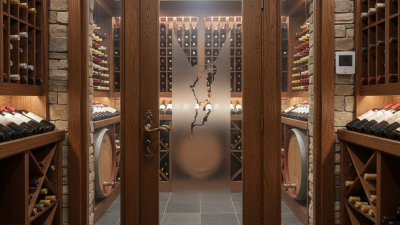
Glass doors add elegance but may compromise temperature control. The thickness and quality of the glass matter. Double-paned or insulated glass can provide better insulation than single-paned options. While aesthetics are essential, functionality should not be overlooked. Many homeowners struggle with balancing style and practicality.
Humidity control is another vital factor. Wine prefers humidity levels between 50% and 70%. Too low humidity can dry out corks, while too high may lead to mold. Consider using a door with a good seal. This feature can help maintain desired humidity levels. A poorly sealed door might require more extensive adjustments, leading to frustration. Homeowners should reflect on how these decisions affect their wine collection's longevity.
Insulation and Temperature Control in Wine Cellar Doors
Insulation is crucial for wine cellar doors. A well-insulated door prevents temperature fluctuations. These fluctuations can damage your wine collection. If warm air enters, the wine may age too quickly. If it's too cold, the aging process can be halted.
Consider double-paned glass doors for better insulation. This type of door creates a barrier to outside temperatures. You might also think about solid wood doors. They can provide excellent heat retention. However, wood doors may warp over time, so maintenance is essential.
Additionally, weather stripping is a small but vital element. It fills gaps where cold air might creep in. Even a tiny opening can affect the overall temperature. Regular checks on this sealing can make a big difference. Ultimately, finding the right balance in insulation and temperature control is an ongoing process.
Best Wine Cellar Doors for Your Home Wine Collection
Installation Tips for Optimal Functionality of Wine Cellar Doors
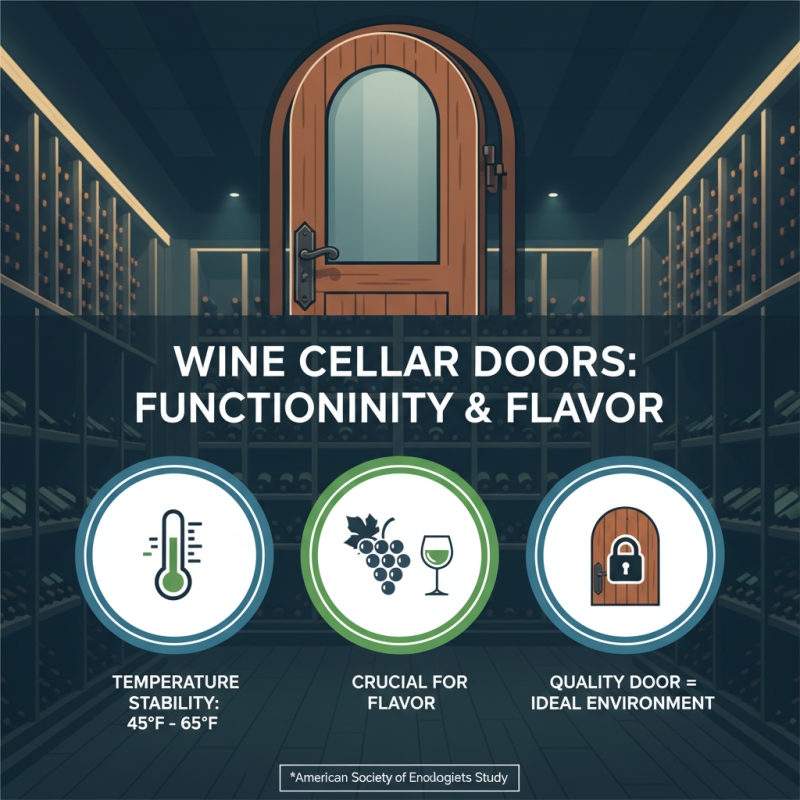
When installing wine cellar doors, functionality is key. A quality door can maintain the ideal environment for your wine collection. According to a study by the American Society of Enologists, temperature stability is crucial. Wine should be stored between 45°F and 65°F. Any fluctuation can compromise its flavor.
Consider insulation when choosing your door. Double-glazed glass doors minimize temperature fluctuations. Proper installation reduces air leaks, thus protecting your wine. A good seal is essential. If the door doesn’t close properly, humidity may drop, leading to cork drying.
Tips: Ensure your door is well-fitted. A poorly installed door leads to wasted energy. Check the hinges and seals regularly. Even slight damages can affect your wine. Monitor humidity levels. Ideally, it should be between 50% and 70%. Adjust your door material to mitigate excess moisture. A bit of reflection on these details may save your valuable bottles.