We ship across the U.S. and Canada. Visit our showrooms in Atlanta, Tampa and Naples and Nashville!
Choosing among home entry doors is not simply a matter of style. It affects comfort, security, maintenance, and the first impression of your house. A solid wood door may offer warmth and character, while fiberglass can resist moisture and daily wear. Steel often provides strength and affordability. Each material has limits.
Gary Katz, a respected door and millwork educator, offers a practical reminder: “A door is only as good as its installation.” That advice deserves attention. Even a well-made door can leak air if the frame is poorly aligned. Imagine a winter draft slipping beneath the threshold, or rain collecting around an unsealed jamb. Small details matter.
The best choice depends on your climate, budget, entryway exposure, and maintenance habits. A shaded porch may protect wood for years. A sun-facing entrance may demand a more stable material. Homeowners should also examine hinges, weatherstripping, locks, glass, and threshold design. These parts work together.
There is no perfect door.
I have seen attractive doors disappoint because their frames were ignored. I have also seen modest fiberglass doors perform reliably for years. That reality makes comparison more useful than chasing a single “best” answer. This guide examines popular home entry doors through practical performance, appearance, durability, energy efficiency, and installation quality. Some recommendations may change after closer inspection. That is part of making a responsible choice.
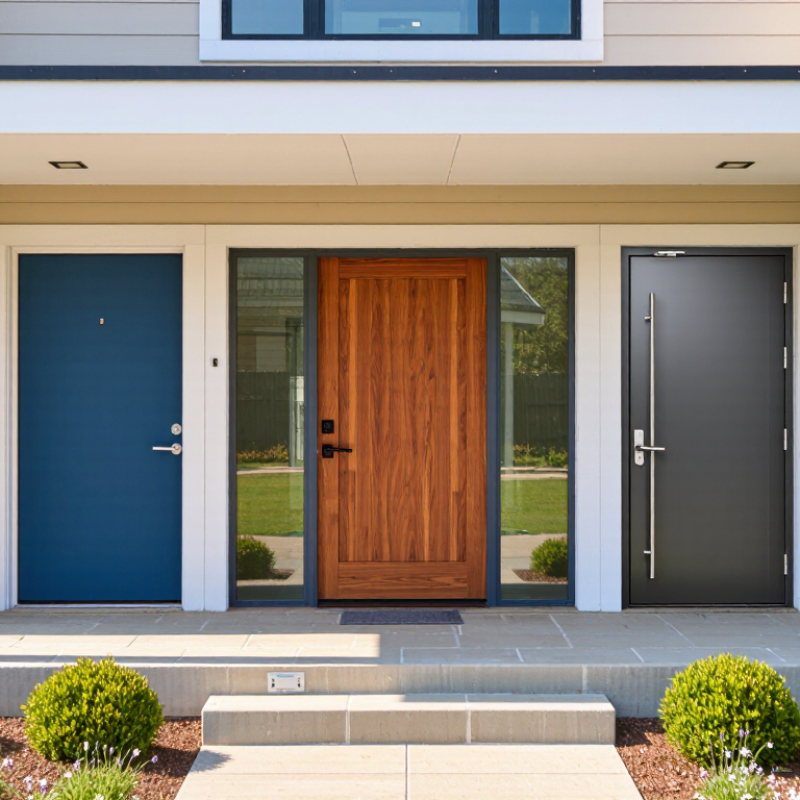
A home entry door is the main movable barrier between a home’s interior and outdoors. It provides a controlled way in and out, while helping resist wind, rain, drafts, noise, and unwanted access. Its job depends on more than the door panel. The frame, hinges, threshold, lock, and weatherstripping all affect how well it works. On a cold day, you might feel a thin draft near the bottom edge even when the door appears closed. That small gap matters.
The U.S. Environmental Protection Agency’s ENERGY STAR guidance, “Seal and Insulate,” estimates that air sealing and insulation can reduce heating and cooling costs by an average of 15% in typical homes. That figure applies to the whole home, not to an entry door alone. The U.S. Department of Energy’s Energy Saver guidance recommends weatherstripping moving door edges and sealing fixed gaps around frames. A well-fitted door can support comfort and efficiency, but poor installation may undermine both. And a heavy door is not automatically a better one. Check that it closes evenly, latches without force, and leaves no visible gaps around the frame. The details are easy to overlook.
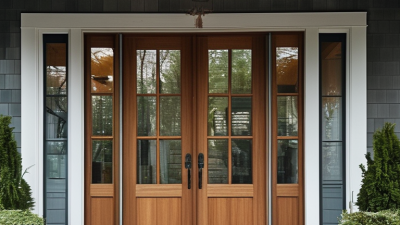
The best entry door depends less on a material label than on the home’s exposure, frame, and daily use. A south-facing doorway may take strong sun, while a sheltered porch faces less weather. Fiberglass resists moisture and needs little upkeep; wood offers a warm, repairable surface but may need regular refinishing. Steel can provide a sturdy option, though dents or damaged coatings may require attention. No material wins everywhere. Not always.
Fit matters just as much. Measure the opening and check the frame for rot, gaps, or a sagging threshold before choosing a new slab. A well-made door can still leak air if it is poorly fitted. Look for weatherstripping that compresses evenly, a threshold that seals against drafts, and glazing suited to your privacy and light needs. A small glass panel can brighten a dark hall, but it may reduce privacy. Consider the lock, hinge strength, and how the door swings around nearby steps or furniture. Budget for installation and future maintenance, too. I’d be cautious about choosing by appearance alone; the right balance depends on the house, and one detail is easy to overlook.
| Door Type | Insulation and Energy Efficiency | Durability and Weather Resistance | Maintenance | Security Considerations | Typical Cost Level | Best Suited For |
|---|---|---|---|---|---|---|
| Fiberglass | Insulated models generally offer good thermal performance. Overall efficiency also depends on the frame, seals, glazing, and installation. | Resists moisture and does not rust; quality and performance vary by construction and finish. | Usually low. Clean periodically and inspect weatherstripping and the finish. | Security depends on the complete door assembly, including the lock, frame, hinges, and installation. | Moderate to high | Homeowners seeking a balance of insulation, weather resistance, and relatively low upkeep. |
| Steel | Insulated steel doors can provide good thermal performance; check the product’s energy rating and edge construction. | Strong and generally stable, but dents may be difficult to repair. Damaged coatings can allow corrosion, especially in damp or coastal conditions. | Low to moderate. Keep the protective finish intact and address scratches or rust promptly. | A reinforced frame and properly installed deadbolt are important; a steel skin alone does not determine security. | Low to moderate | Budget-conscious buyers looking for a sturdy, insulated door and willing to protect its finish from damage. |
| Solid Wood | Performance varies with wood species, thickness, construction, weather seals, and glazing. Wood alone does not guarantee high efficiency. | Can be long-lasting when protected, but moisture and temperature changes may cause swelling, shrinking, or warping. | Moderate to high. The finish may need periodic inspection and refinishing, depending on exposure. | Security depends on door construction and the quality of the frame, hinges, and locking hardware. | Moderate to high | Those who value natural appearance and are prepared for ongoing finish care. |
| Aluminum | Thermal performance depends on the design. Thermally broken frames and insulated panels can reduce heat transfer. | Resists rust and is relatively lightweight; finish quality and exposure conditions affect long-term appearance. | Generally low. Clean the surface and check seals and hardware periodically. | Look for a sturdy door-and-frame assembly and suitable locking hardware; material alone is not a security rating. | Moderate to high | Modern designs, large glazed openings, or locations where corrosion resistance is useful. |
| Glass-Panel Door | Depends on the glazing type, insulated-glass construction, frame, and seals. More glass can increase heat transfer compared with an insulated opaque panel. | Performance depends on the glass and frame. Check that glazing is rated for the intended location and exposure. | Usually low to moderate. Glass requires cleaning; seals and hardware need periodic checks. | Choose appropriate safety glazing and consider visibility, privacy, and the strength of the complete door assembly. | Moderate to high | Homes where daylight and a more open look are priorities. |
| How to choose: There is no single best entry-door material for every home. Compare the door’s energy rating, climate suitability, maintenance needs, budget, glazing, frame, weather seals, and installation quality. For security, assess the complete assembly—including the door, frame, hinges, and locks—not the door material alone. Cost levels are general comparisons and vary by size, design, glazing, finish, and local labor. | ||||||
Steel, fiberglass, and wood each solve different entryway problems. Steel doors often provide strong security and a foam core, but their skins can dent. Fiberglass resists moisture and needs little upkeep; its textured surface can resemble painted wood. Wood offers authentic grain and easy refinishing, though rain and sun demand regular attention. Details matter.
The U.S. Department of Energy’s Energy Saver guidance recommends checking a door’s whole-unit performance, including its frame, weatherstripping, and glazing—not just its material. A well-sealed door can reduce drafts, while a poorly fitted premium door may still leak air. Look for tested energy-performance ratings, and inspect the threshold where cold air often slips in.
Cost data needs context. Remodeling’s 2024 Cost vs. Value report estimated a national average cost of $2,355 for a steel entry-door replacement, with an estimated resale value of $4,430. Its fiberglass grand-entry project averaged $11,353 in cost and $5,273 in resale value. These are different project scopes, not a direct material test. Still, they show why purchase price alone can mislead. I’d weigh local climate, maintenance, fit, and how the door feels after a rainy season. There’s no perfect material.
What Is the Best Type of Home Entry Door?
Which Entry Door Type Suits Different Homes and Needs?
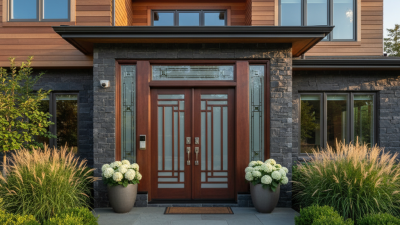
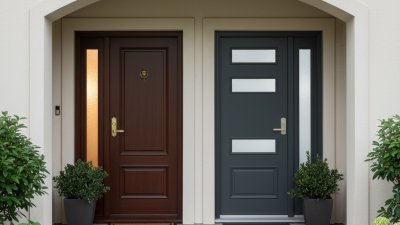
The right entry door depends on the home’s exposure, style, and daily use. Fiberglass suits owners who want a wood-like appearance with less routine upkeep. It resists moisture well, making it a practical option for damp or changeable weather. Steel doors can offer a sturdy feel and often need little maintenance, though scratches may expose areas that need prompt repair. Wood brings natural warmth and can be refinished, but it may need more attention where rain or strong sun reaches the entrance. A deep porch helps.
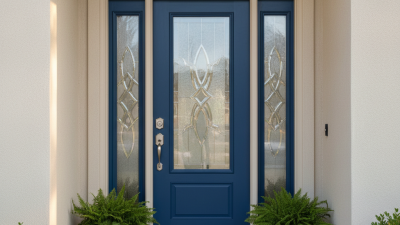
Think about what the doorway faces. A west-facing entrance may get harsh afternoon sun, while a drafty porch can make insulation more important. Glass panels bring daylight into a dark hall, but consider their size and placement if privacy matters. Frosted or textured glass can soften views without blocking all the light. Small details count.
Measure the opening carefully, and check the threshold, frame, and weather seals—not just the door slab. A well-made door can still feel drafty if it is poorly fitted. For households with children, pets, or frequent deliveries, a durable finish and a suitable viewing panel may matter more than ornate carving. I’d be cautious about choosing from a photo alone; color and grain can look different in a shaded entry. A sample viewed at home is more useful.
Choosing an entry door starts with the conditions around your home, not its appearance alone. A door facing strong sun may need a finish that resists fading, while a damp entrance benefits from materials that tolerate moisture. Check that the frame fits squarely and that the threshold sheds rain instead of trapping it. Small gaps matter. They can let in drafts, water, and noise. Consider how much daylight you want, too; glass can brighten a hallway, but privacy and insulation deserve attention. A heavy door is not automatically the best choice if its hinges or frame are poorly fitted. It is easy to focus on the slab and overlook the hardware.
Maintenance is mostly simple, though it is often postponed. Every few months, look for peeling finish, cracked weatherstripping, loose handles, or rust near the hinges. Open and close the door slowly. It should move without scraping, sticking, or needing a hard pull. Clean the surface with a method suited to its material, then refresh protective coatings when the finish looks worn. Clear leaves and grit from the threshold so water can drain. Not always obvious. A visual check cannot reveal every problem; persistent drafts or damp marks may point to a shifting frame or failed seal. Adjusting hinges can help, but repeated trouble calls for a closer inspection rather than another quick fix.
Choosing an entry door involves more than appearance. Energy efficiency, durability, weather resistance, and maintenance needs should all be considered. The chart shows common maintenance intervals for key entry-door components.
How to use this schedule: Inspect weatherstripping twice a year to reduce drafts and moisture entry. Clean the threshold and lubricate moving hardware annually. Check alignment whenever the door becomes difficult to close. Wood doors exposed to weather commonly need refinishing about every three years, while the actual interval depends on sunlight, rain, finish quality, and local climate.