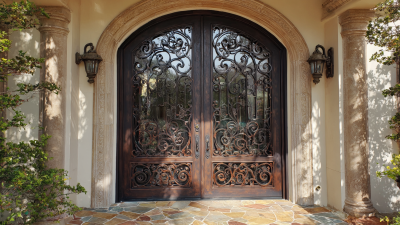
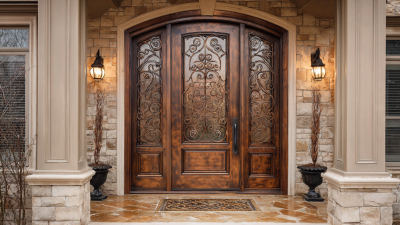
What is the Best Iron Doors for Home Installation Options?
The popularity of iron doors for home installation has significantly risen in recent years. According to a 2022 industry report, the iron door market is projected to grow by 8% annually. This is due to their durability, security, and aesthetic appeal. Homeowners increasingly seek options that enhance both beauty and functionality.
Iron doors for home not only offer robust protection but also elevate curb appeal. Many designs feature intricate patterns, beautiful glass insets, and various finishes. However, some homeowners may overlook maintenance requirements. Rust can be an issue, especially in humid climates. It’s crucial to select doors with appropriate coatings to resist environmental damage.
While investing in iron doors can be costly, the long-term benefits can justify the expense. Some surveys indicate that installing quality iron doors can increase property value by over 30%. Yet, not every homeowner may be aware of the range of options available. Taking the time to explore different styles and features can ensure a well-informed choice for any home.
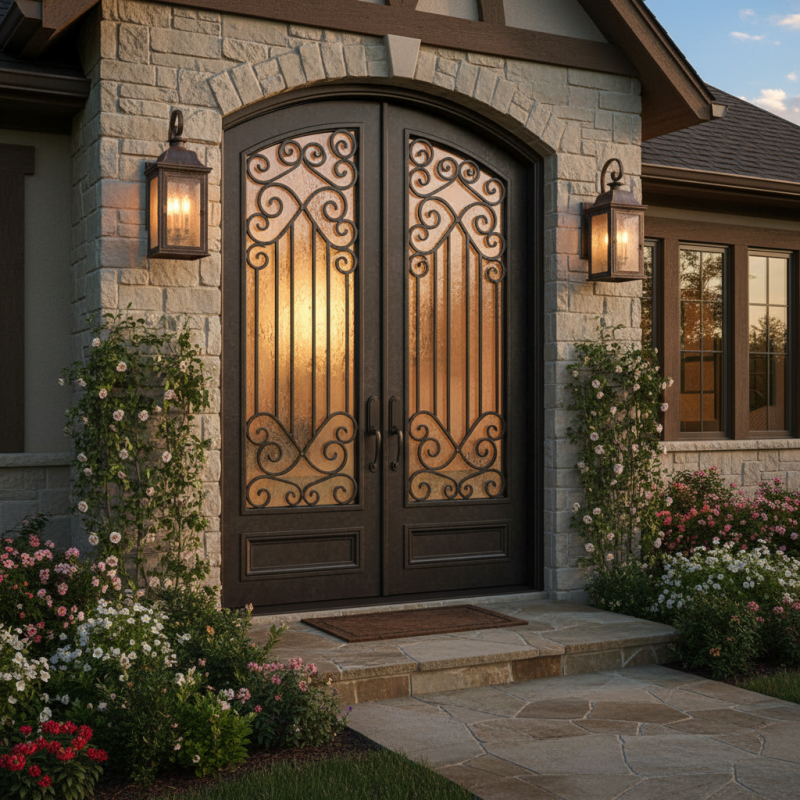
Types of Iron Doors Available for Home Installation
When considering iron doors for home installation, various types are available.
Steel doors are robust and offer security. They often come with intricate designs, enhancing the home's aesthetic. Besides, these doors can endure harsh weather conditions.
However, their weight might require professional installation. Many homeowners find this a difficult challenge.
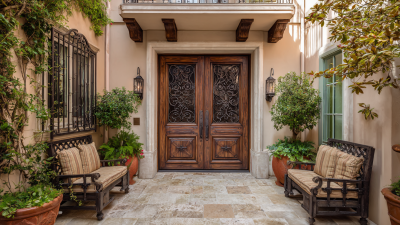
Another option is wrought iron doors. These are often seen as elegant and timeless. Their artistic patterns can make a grand entrance.
Yet, they can be exposed to rust if not maintained properly. Homeowners must weigh the benefits against the upkeep required. Each type of iron door brings its own personality and charm.
Aluminum doors are also popular. They are lightweight and resistant to corrosion. This makes them easy to handle during installation.
However, they may lack the sturdy feel of steel or wrought iron. Finding the right balance between aesthetic appeal and practicality is essential. Each choice leads to different reflections on comfort and style in a home setting.
Key Features to Consider When Choosing Iron Doors
When selecting iron doors for home installation, several key features demand attention. The first is the door's design. A well-thought-out design enhances the entrance's aesthetics. Consider styles that complement your home’s architecture. Do you prefer modern, minimalist lines, or intricate, classic designs? Each option has its charm.
Next, durability plays a critical role. Iron doors should withstand the elements. Look for thick materials that resist rust and weathering. Proper sealing is also important. Improper sealing can lead to corrosion over time. Ensure you ask about finishes and their longevity.
Security features are paramount too. Many iron doors offer reinforced locking mechanisms. But some may come with basic locks that need upgrading. Think about how often you travel or if safety is a priority. Installing a door camera or robust security system could be worth considering. Reflect on your home’s needs and what will ultimately protect it best.
Comparison of Key Features in Iron Doors
Benefits of Installing Iron Doors in Your Home
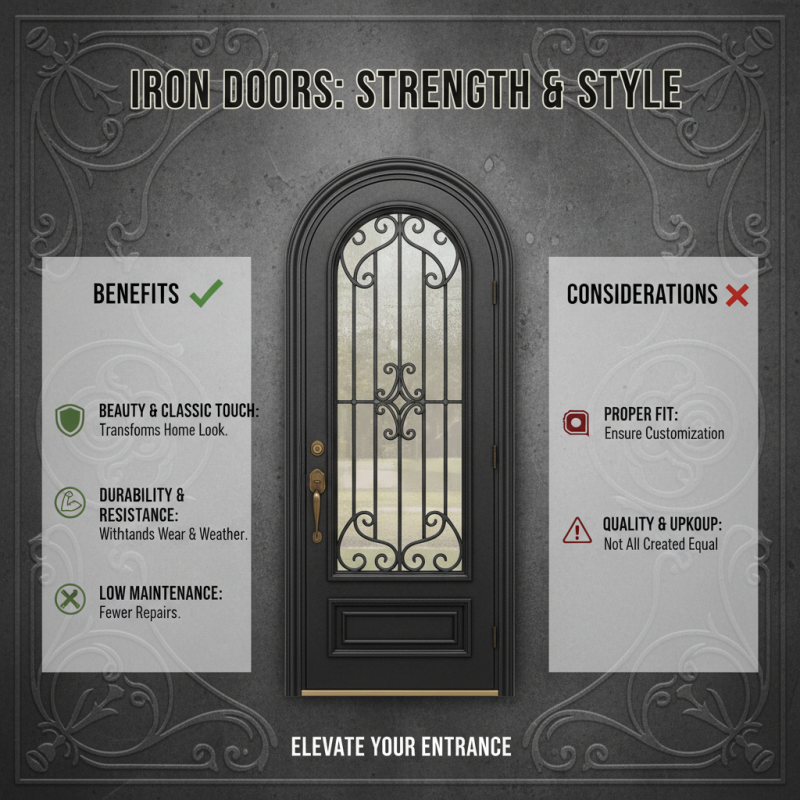
Iron doors offer a unique blend of beauty and strength. They change the overall look of a home and add a classic touch. Many people appreciate the durability of iron. It resists wear, tear, and harsh weather conditions. This means fewer repairs and longer-lasting entrances. However, not all iron doors are created equal. Some might not fit well or require constant upkeep.
Another benefit is security. A solid iron door provides better protection against intruders. This peace of mind is invaluable, especially for families. Additionally, installing iron doors can boost home value. It creates a sense of luxury that attracts potential buyers. Keep in mind, though, that installation can be tricky. Poorly installed doors may warp or allow drafts. It's essential to hire professionals to ensure the best fit and finish.
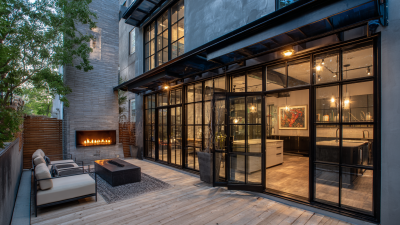
Aesthetics play a big role too. Iron doors come in various designs and styles. Whether you want something ornate or minimalist, there are options. Yet, finding the right design might be challenging. Some styles may clash with the rest of your home. It's important to reflect on your overall theme when making a choice.
Factors Influencing the Cost of Iron Door Installation
When choosing iron doors for home installation, several cost factors come into play. The type of iron door significantly impacts pricing. For instance, custom designs demand higher costs compared to stock options. Decorative features, such as intricate patterns or glass inserts, can also raise prices. Homeowners should consider the long-term value of these enhancements.
Labor costs are another vital consideration. Installation complexity varies. A straightforward install may cost less. However, custom framing or modifications can escalate labor fees. Geographic location matters too. Prices may differ based on local labor rates. Weather variations can add further complications during installation.
Quality of materials affects overall expenses. Thicker, more durable iron usually costs more but provides better security and longevity. Additionally, finishes should be considered. Paint and protective coatings can further increase the total expense. Buyers often overlook these details, only to face unexpected costs later. Understanding these factors helps in making informed decisions for the best iron doors.
What is the Best Iron Doors for Home Installation Options? - Factors Influencing the Cost of Iron Door Installation
| Dimension/Factor |
Details |
Estimated Cost ($) |
| Size |
Standard sizes (36x80 in) vs. Custom sizes |
Standard: 1,500 - 2,500
Custom: 2,500 - 4,500 |
| Material Quality |
Gauge thickness (16-gauge vs. 14-gauge) |
16-gauge: 1,500 - 3,000
14-gauge: 2,000 - 4,000 |
| Design Complexity |
Simple vs. ornate designs |
Simple: 1,500 - 2,500
Ornate: 3,000 - 5,000 |
| Finish Type |
Powder coating vs. painted finishes |
Powder coating: 1,500 - 3,000
Painted: 1,200 - 2,500 |
| Installation Location |
External vs. internal doors |
External: 2,000 - 4,000
Internal: 1,000 - 2,000 |
| Labor Costs |
Based on region and installation complexity |
500 - 1,500 |
Maintenance Tips for Long-Lasting Iron Doors
Maintaining iron doors is essential for their longevity. Regular cleaning is vital to prevent rust buildup. Use mild soap and water with a soft cloth to wipe down the surface. Hard bristles can scratch the finish, so avoid them. Cleaning should be done every few months, especially in humid climates.
Another tip is to inspect the hardware regularly. Hinges can loosen over time. Tighten screws and lubricate hinges to prevent squeaking. If you notice rust spots, address them immediately. Sanding the area and applying a rust-inhibiting paint will help. However, this may not always be perfect, and some scratches can remain visible.
Additionally, ensure that the door fits well in its frame. Gaps can lead to moisture penetration, increasing the risk of rust. Adjustments may be needed, which can sometimes be tricky. Overall, proactive maintenance ensures that your iron doors remain functional and elegant all year round.