We ship across the U.S. and Canada. Visit our showrooms in Atlanta, Tampa and Naples and Nashville!
Choosing the right steel entry doors with glass requires more than comparing attractive photographs and advertised prices. In 2026, global buyers are examining security, energy performance, weather resistance, and design flexibility together. A door may look impressive online, yet its frame, hinges, drainage, and glass specification deserve equal attention.
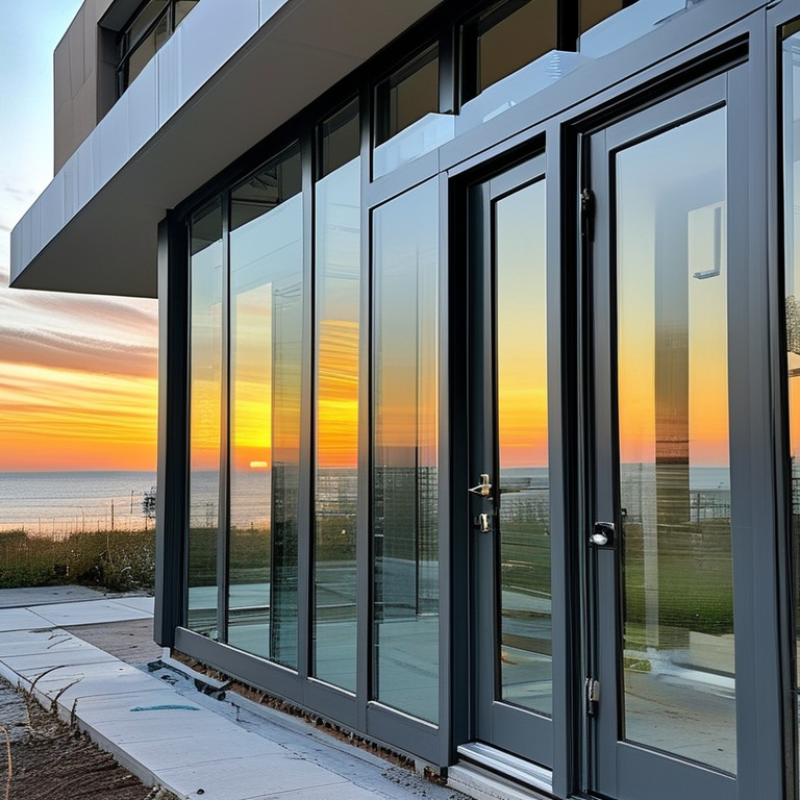
This guide explores practical options for homes, apartments, offices, and hospitality projects across different climates. It considers insulated steel cores, low-emissivity glass, laminated safety glazing, thermal breaks, multipoint locks, and adjustable thresholds. Coastal buyers should study corrosion protection carefully. Cold-region buyers may need stronger thermal insulation and reliable weather seals. In hot climates, solar-control glass can reduce heat entering through the doorway.
Real project experience shows that small details often determine long-term satisfaction. A poorly measured opening can create expensive installation problems. A heavy door may also require reinforced framing and professional fitting. Local building requirements, fire ratings, accessibility rules, and import conditions must be confirmed before purchase. These details vary by country.
No door is perfect. Some designs offer stronger security but less natural light. Others provide elegant glazing but demand more maintenance. Even premium finishes can suffer when installation quality is ignored. This overview compares materials, configurations, glass types, security features, maintenance needs, and supplier considerations. It also encourages buyers to question unclear certifications, vague warranties, and unrealistic performance claims. The goal is a dependable decision, not merely a stylish entrance.
2026 Best Steel Entry Doors With Glass for Global Buyers?
Steel entry door construction starts with the skin, not the decorative glass. A galvanized steel face resists corrosion, while a reinforced edge limits warping around hinges and locks. Many residential doors use polyurethane, polystyrene, or honeycomb cores. Polyurethane usually offers stronger thermal insulation, but it can raise cost. Mineral wool suits projects requiring improved fire performance, yet the full door assembly must be tested. A thicker panel is not automatically better. Poor sealing can defeat it.
Glass changes the door’s performance. Insulated glazing uses two panes and a sealed cavity, while laminated glass improves impact retention. Tempered glass breaks into smaller pieces, but it is not unbreakable. The U.S. Department of Energy reports that low-emissivity glazing can reduce window heat loss by 30–50%. For international buyers, however, climate-specific U-factor and solar heat gain data matter more than attractive claims. ENERGY STAR Version 7.0 evaluates these values by climate zone.
Details decide durability. Look for continuous weatherstripping, a thermal break, adjustable hinges, and drainage at the sill. The National Fenestration Rating Council’s certification framework supports comparable energy ratings, but certification coverage differs by market. World Steel Association data recorded about 1.88 billion tonnes of crude steel production in 2024, showing the material’s global supply depth. Still, recycled content and coating quality vary widely. My practical concern is simple: glass area often receives more attention than the frame. That is a mistake. A beautiful door can still feel cold beside the lock.
Steel entry doors typically use thin galvanized or coated steel skins over an insulated core. Lower thermal conductivity indicates better insulation performance. Rigid polyurethane foam generally provides the highest insulation efficiency among the common core materials shown, while steel is mainly used for structural strength and impact resistance. Actual door performance also depends on frame design, edge seals, thermal bridges, and the glass unit.
Glass selection changes a steel entry door’s safety, comfort, and operating cost. Tempered glass breaks into small granules, while laminated glass holds together after impact. For sidelights and low-level glazing, laminated construction offers a more cautious choice. Buyers should check compliance with applicable local safety standards, including recognized impact and glazing tests.
Energy performance needs closer attention than appearance. The U.S. Department of Energy reports that windows can represent 25–30% of residential heating and cooling energy use. A glazed door can therefore create noticeable heat loss near the entrance. Low-emissivity coatings reduce radiant transfer. Multiple panes add insulation, while argon filling can improve the cavity’s thermal resistance. ENERGY STAR data indicates certified windows may reduce household energy bills by approximately 7–15% when replacing single-pane products. Door results vary with climate, installation, and frame design. Ratings matter. Installation matters more than many buyers expect. This is an easy detail to miss.
Tips: Compare whole-door U-factor, solar heat gain coefficient, and air-leakage ratings from an independent certification body. Inspect the weatherstrip around every corner. Ask for laminated glass where security and accidental impact are concerns. Avoid assuming thicker steel means better energy performance. A poorly sealed threshold can defeat an excellent panel.
References: U.S. Department of Energy, “Windows, Doors, and Skylights”; ENERGY STAR Residential Windows, Doors, and Skylights criteria.
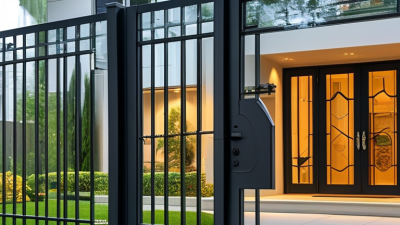
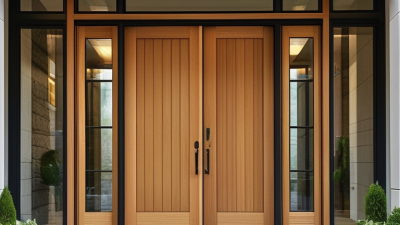
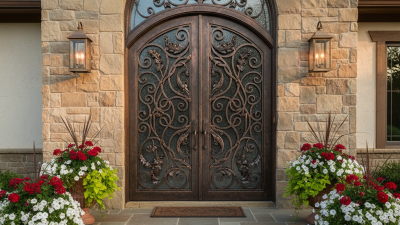
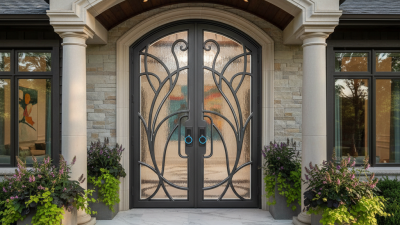
For global buyers, steel entry doors with glass must balance appearance, security, and daily performance. In project inspections, I often see modern full-lite doors chosen for bright hallways. Slim vertical glass panels suit narrow entrances. Traditional doors with small grids create a warmer, residential character. Pivot styles look impressive, but they require stronger framing and precise installation.
Standard widths and heights vary by region, so confirm the rough opening before ordering. Measure the wall, frame, sill, and swing clearance twice. Metric and imperial drawings should never be mixed casually. Popular finishes include matte black, warm gray, bronze, and textured wood tones. Powder-coated surfaces usually offer consistent color, but coastal locations need suitable corrosion protection. Glass can be clear, frosted, tinted, laminated, or low-emissivity. Each option changes privacy, daylight, heat transfer, and cost.
Tips: Request a complete shop drawing before production. Check hinge positions, threshold height, glass thickness, drainage, and insulation details. Ask for finish samples under outdoor light. Small color differences matter. Customization may include sidelights, transoms, lever hardware, opening direction, grille patterns, and bespoke dimensions. Avoid choosing glass only from a catalog image; reflections can be misleading. I once underestimated afternoon glare on a south-facing entrance. That mistake was preventable. Reliable suppliers should provide material details, maintenance guidance, and test documentation suited to the destination market.
2026 Best Steel Entry Doors With Glass for Global Buyers
For global buyers, the best steel entry door with glass is not identical in every market. Climate, testing, installation, and security rules change the specification. UNEP/GlobalABC’s 2024 Global Status Report says buildings used 32% of global energy in 2023 and produced 34% of global carbon emissions. A glazed steel door should combine insulated cores, thermally broken frames, low-emissivity glass, and verified air-leakage performance. Details matter. In hot regions, lower solar heat gain can reduce cooling loads. In cold zones, a low U-factor and warm-edge spacer help limit condensation.
The WMO State of the Global Climate 2024 confirms severe heat extremes and growing weather risks. Coastal buyers should request corrosion-resistant coatings, stainless hardware, drainage paths, and tested water resistance. Wind-exposure design must follow local requirements, such as ASCE 7 or EN 1991-1-4. Mountain and storm regions need stronger anchoring, not merely thicker steel. This is where online specifications often disappoint.
Security needs measurable evidence. Ask for forced-entry classification under EN 1627, tested lock assemblies, and laminated safety glass. Local equivalents may include ASTM or other national standards. Fire-rated doors require complete assemblies tested under applicable fire standards, not an upgraded leaf alone. I would not choose decorative glass before checking frame deflection, threshold drainage, and installer competence. A door can look secure and still leak, corrode, or weaken at its hinges. Request test reports, scope limits, warranty conditions, and replacement-part access before purchase. Not always glamorous. Still essential.
| Global Buyer Requirement | Recommended Door Configuration | Glass Specification | Relevant Standard or Test Method | Climate Suitability | Typical Performance Target | Security and Installation Notes |
|---|---|---|---|---|---|---|
| Cold and heating-dominated climates | Insulated galvanized steel leaf with a thermally broken frame, continuous perimeter weather seals, and insulated core. | Double or triple insulating glass unit; low-emissivity coating; laminated inner pane where security is required. | EN 14351-1 for external pedestrian doorsets; EN 10077-1 and EN 10077-2 for thermal transmittance calculations. | Suitable for northern Europe, Canada, northern United States, and other regions with prolonged heating seasons. | Target whole-door U-value commonly around 1.0–1.6 W/m²·K, depending on local energy requirements and door size. | Use a thermally separated threshold and carefully sealed frame-to-wall junctions to reduce condensation and air leakage. |
| Hot and humid climates | Corrosion-protected steel construction with low-solar-gain glazing, durable powder coating, and moisture-resistant core materials. | Insulating glass with solar-control low-e coating; laminated glass is preferred for impact and forced-entry resistance. | EN 14351-1; ISO 10077 series for thermal performance; local requirements may include solar and moisture control provisions. | Suitable for tropical and subtropical areas with high humidity, intense sunlight, and frequent rainfall. | Prioritize low solar heat gain, reliable drainage, and air/water tightness rather than U-value alone. | Specify stainless or corrosion-resistant hardware, sealed glazing edges, drainage paths, and regular inspection of coatings and seals. |
| Coastal and high-salt environments | Hot-dip galvanized or otherwise corrosion-protected steel, marine-grade protective finish, and corrosion-resistant hardware. | Laminated insulating glass with sealed edges and a glazing system compatible with coastal exposure. | ISO 12944-5 for protective paint systems; ASTM B117 is commonly used as a laboratory salt-spray test, but it does not by itself represent actual service life. | Suitable for coastal cities, offshore-adjacent buildings, and locations exposed to salt spray. | Performance should be selected according to the required corrosivity category and exposure level, not by coating thickness alone. | Protect cut edges, fasteners, drainage outlets, and dissimilar-metal interfaces. Wash salt deposits regularly. |
| High-wind and storm-prone regions | Reinforced steel leaf, multi-point locking, heavy-duty hinges, mechanically anchored frame, and tested impact-resistant glazing. | Laminated impact-resistant glass; use a tested glass-and-frame assembly rather than selecting glass independently. | ASTM E1886 and ASTM E1996 for exterior windows, curtain walls, doors, and impact protection; local wind-load codes also apply. | Suitable for hurricane, typhoon, and severe wind regions when the complete assembly has the required certification. | Required design pressure, missile impact classification, and cyclic pressure rating must be determined from the project location. | Check the entire doorset, frame anchorage, hinges, locks, glass retention, and threshold. A stronger glass pane cannot compensate for a weak frame. |
| Burglary resistance: standard residential protection | Steel door leaf with reinforced lock zone, anti-pry edge, three or more heavy-duty hinges, and multi-point locking. | Laminated safety glass; avoid large unprotected clear panels adjacent to the lock unless the complete assembly is security tested. | EN 1627 resistance class RC2 is commonly specified for a basic enhanced residential security level. | Applicable across many urban residential markets, subject to local risk assessment. | Resistance classification applies to the complete doorset, including frame, hardware, glazing, and installation. | Specify certified hardware, protected cylinder designs, hinge-side security bolts, and installation into structurally sound substrates. |
| Burglary resistance: higher residential or light commercial protection | Reinforced steel doorset with stronger frame anchorage, security hinges, protected locking points, and restricted-access hardware. | Security laminated glass with a suitable impact or attack-resistance classification as part of the tested configuration. | EN 1627 RC3 may be considered for higher-risk applications; EN 356 can classify the resistance of security glazing against manual attack. | Suitable for higher-risk homes, offices, small commercial premises, and multi-occupancy buildings when approved by the project authority. | Use a complete tested doorset. Glass classification and doorset resistance class should be specified separately. | Do not mix independently certified components unless the manufacturer or testing body confirms the resulting assembly remains compliant. |
| Fire-rated entrance requirements | Steel fire doorset with compatible frame, intumescent seals, self-closing device, and approved fire-rated glazing system. | Fire-resistant wired, ceramic, or specially tested glazing; ordinary double glazing or laminated security glass is not automatically fire-rated. | EN 16034 for fire and smoke characteristics of windows, doors, and gates; UL 10C and NFPA 252 are widely used in North American testing. | Suitable where building codes require fire or smoke compartmentation. | Fire-resistance periods such as 30, 60, or 90 minutes must be confirmed by the applicable test report and labeling. | Use only listed or approved glass, glazing beads, seals, closers, hinges, and locks. Field modifications can invalidate the rating. |
| Acoustic privacy and urban noise control | Dense insulated steel leaf, compression seals on all sides, sealed threshold, and minimal uncontrolled gaps around the frame. | Asymmetric laminated acoustic glass or insulated laminated glazing with different pane thicknesses. | ISO 10140 for laboratory airborne sound insulation testing; ISO 717-1 for rating airborne sound insulation. | Suitable for apartments, hotels, offices, and homes near roads, railways, or airports. | Specify the tested doorset sound reduction value, often expressed as Rw or Rw plus spectrum adaptation terms in European documentation. | Acoustic performance is strongly affected by seals, thresholds, wall construction, letter plates, and air gaps around the frame. |
| Daylight and visual connection | Steel door with a narrow vision panel or vertical glazed insert, reinforced around the glass opening. | Tempered safety glass for breakage safety; laminated safety glass where retention after breakage or security is important. | EN 12150 for thermally toughened safety glass; EN 14449 for laminated glass; ANSI Z97.1 and CPSC 16 CFR 1201 are common North American references. | Suitable for residential and commercial entrances where natural light is desired without using a fully glazed door. | Choose safety glazing according to human-impact risk, panel size, location, and local code. | Glass edges, fixing methods, glazing blocks, and retention must be compatible with the steel frame and door movement. |
| Accessibility and frequent public use | Low-force opening doorset with durable hinges, lever or push hardware, clear opening, and a threshold designed to limit trip risk. | Safety glazing with visible manifestation markings where required by local accessibility or building regulations. | ISO 21542 provides accessibility guidance; local building codes govern opening force, clear width, thresholds, and hardware. | Suitable for schools, healthcare buildings, offices, retail entrances, and multi-family housing. | Confirm clear opening width, opening force, threshold height, closing speed, and hardware reach range for the jurisdiction. | Automatic operators, electromagnetic locks, and access-control devices must be coordinated with fire egress and emergency-exit rules. |
| Low-maintenance global specification | Factory-finished galvanized steel with replaceable weather seals, standardized hardware preparation, and serviceable threshold components. | Insulating laminated glass with durable edge seals and glazing components that can be replaced without damaging the leaf. | ISO 12944 for corrosion-protection system selection; project-specific quality plans should define coating preparation and inspection. | Suitable for international projects where maintenance skills and replacement parts may vary by location. | Prioritize documented coating system, spare-part availability, drainage design, and clear maintenance instructions. | Confirm compatibility among steel treatment, powder coating, sealants, glazing tapes, hardware finishes, and cleaning chemicals. |
| Global documentation and procurement | Complete doorset specification covering leaf, frame, glass, hardware, threshold, seals, finish, anchorage, and installation method. | Specify glass composition, thickness, safety classification, thermal properties, acoustic properties, and visible light or solar-control data where relevant. | Request declarations, test reports, classification reports, installation instructions, and product traceability documents applicable to the destination market. | Suitable for cross-border procurement and projects involving multiple regulatory systems. | Compare tested whole-door performance rather than comparing isolated leaf, glass, or lock specifications. | Verify local approval, customs documentation, metric or imperial dimensions, handing, sill details, replacement hardware, and after-sales support. |

2026 Best Steel Entry Doors With Glass for Global Buyers
Buying, Installing, and Maintaining Steel Doors With Glass
Steel entry doors with glass combine security, daylight, and a strong architectural appearance. Global buyers should match the door to local weather, wall thickness, and opening direction. A low-emissivity glass panel can reduce heat transfer, while laminated glass helps limit dangerous shattering. Always request tested performance data, including air leakage, water resistance, and wind pressure ratings.
Accurate installation matters as much as the door itself. The installer should check the opening for square, level, and moisture damage before securing the frame. Poor alignment can cause rubbing, weak seals, and difficult locking. In coastal areas, use corrosion-resistant hardware and inspect exposed edges regularly. I have seen small gaps around thresholds create noticeable drafts within one season. That detail is easy to miss. It deserves attention.
Tips: Measure the finished opening, not only the old door. Confirm the glass thickness, swing direction, threshold height, and delivery packaging. After installation, test the latch several times and inspect the weather seal with a thin sheet of paper. For maintenance, clean glass with mild soap, lubricate hinges lightly, and avoid abrasive tools. Check paint and sealant twice yearly. A small repair now prevents a costly replacement later. Still, local building requirements may differ, so qualified professionals should verify compliance before installation.