2026 Top Folding Door Trends You Need to Know?
In recent years, the demand for Folding Doors has surged dramatically. These versatile doors provide both functionality and style. They can transform spaces, connecting indoor and outdoor areas seamlessly.
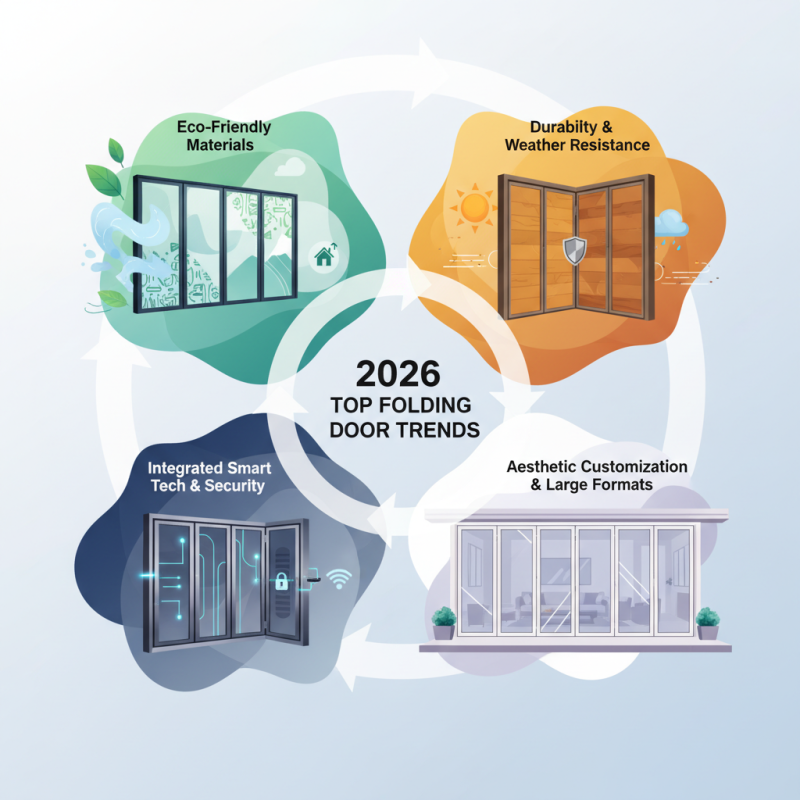
In 2026, several key trends will shape the Folding Door market. Innovations in materials and designs are emerging. New folding door designs integrate energy efficiency and aesthetics, catering to diverse tastes. Homeowners are increasingly favoring eco-friendly options, leading manufacturers to rethink their strategies.
However, challenges remain. Not all folding doors can withstand extreme weather. Durability and maintenance issues may arise if low-quality materials are used. It's essential to choose wisely and invest in quality. Those looking to enhance their homes with Folding Doors need to consider all aspects before purchasing.
2026 Folding Door Trends: An Overview of Innovations and Styles
In 2026, folding doors are evolving in exciting ways. One noticeable trend is the push towards smart technology integration. Imagine controlling your doors with a simple voice command or smartphone app. This convenience is becoming a standard expectation for many homeowners. Yet, we should consider the reliability of these tech features. What if they fail?
Another trend is the use of environmentally friendly materials. Many companies are experimenting with recycled materials to create stylish, sustainable folding doors. This choice not only helps the planet but also adds unique character to homes. However, not every eco-friendly option performs well. Homeowners might find themselves torn between style and durability.
Moreover, color and design options are becoming bolder. Rich shades and intricate patterns are catching the eye. These doors are no longer just functional; they enhance the overall aesthetic of a space. However, can every design truly fit all home styles? This raises questions about individual needs versus current trends. Adapting to these trends might pose challenges, yet they also invite innovation and creativity in home design.
Sustainable Materials in Folding Door Design for 2026
As we look ahead to 2026, folding door designs are increasingly incorporating sustainable materials. This shift reflects a growing awareness of environmental issues. Designers are exploring options like bamboo, reclaimed wood, and recycled aluminum. These materials not only reduce waste but also add unique character to a home. However, sourcing these materials can be challenging. Questions arise about their longevity and maintenance.
Beyond aesthetics, energy efficiency is a major factor. Folding doors made from insulated materials help regulate indoor temperatures. Using glass with low emissions can further boost thermal performance. Although these solutions are promising, not all manufacturers prioritize sustainability. It's essential for consumers to research and ask questions. The challenge lies in finding the balance between style and eco-friendliness.
While innovation is occurring, there are areas for improvement. Some designs still rely on conventionally sourced materials. It's crucial for architects and builders to push for better practices. The journey towards fully sustainable folding doors is ongoing. More transparency in manufacturing processes can help consumers make informed choices.
2026 Top Folding Door Trends You Need to Know - Sustainable Materials in Folding Door Design for 2026
| Trend | Material Type | Sustainability Feature | Expected Popularity (% Growth) |
| Recycled Aluminum Frames | Aluminum | Recyclable Material | 15% |
| Bamboo Wood Integration | Bamboo | Rapidly Renewable Resource | 20% |
| Eco-Friendly Hybrid Designs | Wood & Glass | Sustainable Sourcing | 25% |
| Innovative Composite Materials | Composite | Durability & Sustainability | 18% |
| Smart Glass Technology | Glass | Energy Efficiency | 30% |
Advancements in Folding Door Technology: What to Expect
In recent years, folding door technology has seen rapid advancements. These innovations enhance both functionality and aesthetics. Various materials, like aluminum and wood, now offer better durability. Designers are focusing on lightweight options that ensure easy operation. The introduction of weather-resistant seals is a game-changer, keeping homes insulated and secure.
Tips: Consider the space available when selecting folding doors. Ensure they complement your home’s design. Pay attention to the door's opening mechanism. Some may not fit seamlessly, leading to frustration over time.
Smart technology integration is another exciting trend. Automated folding doors can be controlled via smartphones. This feature enhances convenience, especially in hard-to-reach areas. However, such systems might require regular updates and maintenance. Reflect on whether the tech meets your lifestyle needs before investing further.
Top Aesthetic Trends for Folding Doors in Modern Architecture
Folding doors bring both functionality and style to modern architecture. Their aesthetic appeal is evolving rapidly, particularly as we approach 2026. One noticeable trend is the shift toward minimalist designs. Simplicity is key. Clean lines and unobtrusive frames create a seamless look. This approach enhances natural light and connects indoor and outdoor spaces.
Another engaging trend is the use of mixed materials. Wood combined with aluminum or glass provides a striking contrast. This fusion adds depth and texture to folding doors. The warmth of wood balances the sleekness of metal or glass. It invites nature into modern homes. However, finding the right combination can be challenging.
Color trends are also changing. Neutral tones remain popular, but bold shades are emerging. Darker hues, like deep greens and navy, are gaining momentum. They create dramatic focal points. However, an over-reliance on trendy colors may date a design quickly. Homeowners should consider lasting choices. After all, balance is essential for enduring aesthetic appeal.
Designing for Space: Efficiency and Functionality in Folding Doors
In 2026, folding doors are gaining traction for their efficiency and functionality in design. The trend leans heavily on maximizing space in homes and commercial settings. According to industry reports, over 70% of new constructions now prioritize such space-saving solutions. They not only enhance aesthetics but also improve room flow.
Many homeowners face challenges in integrating folding doors. Poorly measured openings can lead to frustrating installations. Opting for custom sizes may be a smart choice for challenging layouts. Regular maintenance is also key—hinges and tracks must be clear of debris to function well. This is often overlooked, leading to costly repairs.
Here are tips for integrating folding doors effectively. First, choose materials that match your home's style. Glass panels can enhance natural light but may require more cleaning. Second, consider energy-efficient options if climate control is a concern. Finally, always consult with a specialist before installation to guarantee smooth functionality. They can help address specific needs you may have overlooked.