What to Consider When Choosing a Double Door Front Door?
Choosing a double door front door is a significant decision for any homeowner. This entrance sets the tone for your home’s exterior. It adds style, enhances security, and calls attention to your entryway. With so many options available, it’s essential to find the right fit for your property.
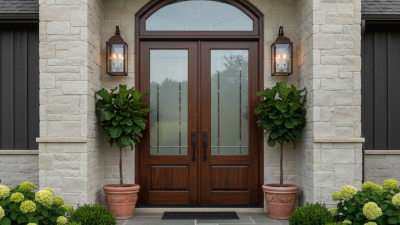
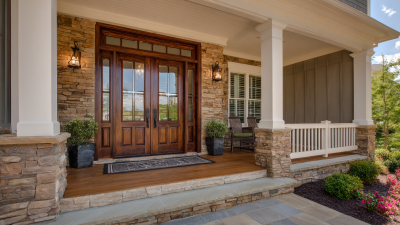
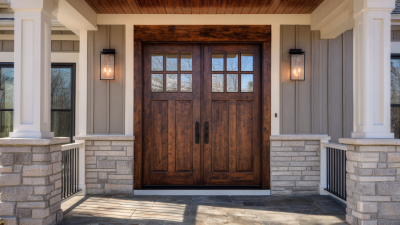
When selecting a double door front door, consider your home's architectural style. The wrong choice can clash with your overall design. Think about materials as well. Wood, fiberglass, and steel all have unique benefits and drawbacks. Each material presents different aesthetic and functional qualities. It’s important to weigh these carefully.
Security features should not be overlooked. Double doors can provide a grand appearance, but without quality locks, they may compromise safety. Also, think about insulation and energy efficiency. A well-insulated door can lower energy costs and maintain comfort. Investing time in research will lead you to the best fit for your needs.
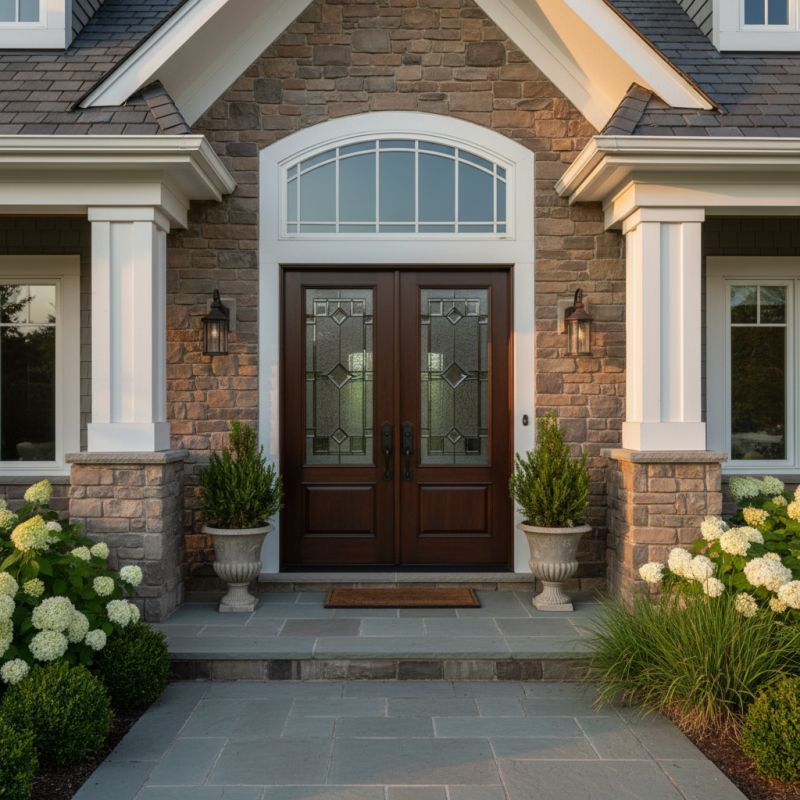
Factors Affecting the Aesthetic Appeal of Double Door Front Doors
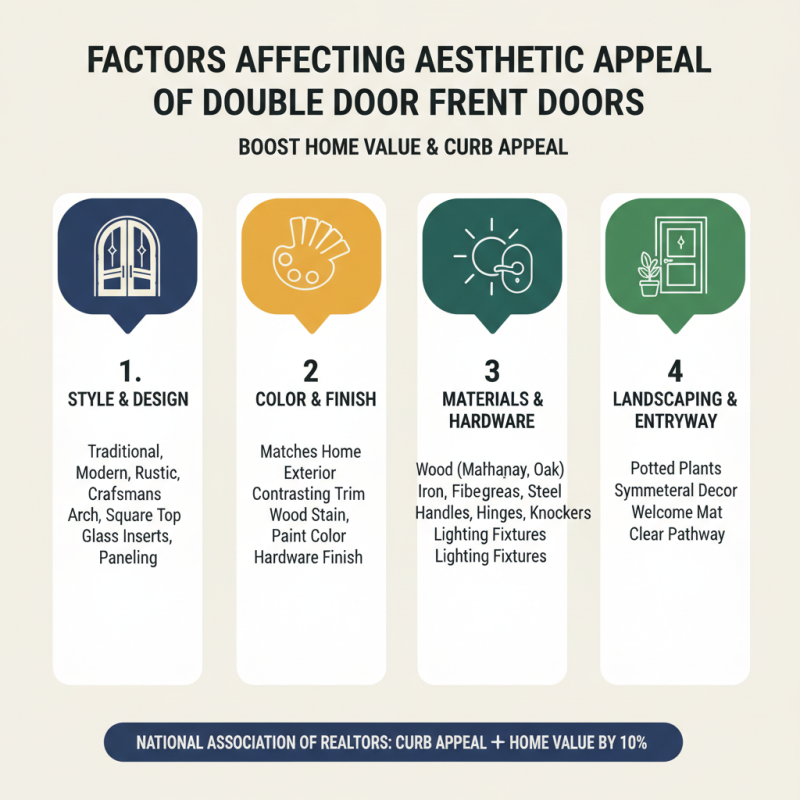
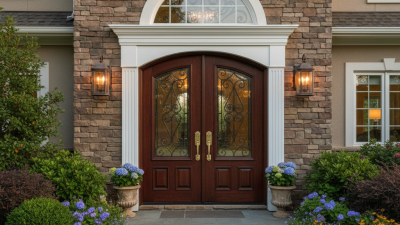
When choosing double door front doors, aesthetic appeal is crucial. The style of the doors can dramatically impact the exterior of a home. According to a recent report by the National Association of Realtors, curb appeal can boost a home's value by up to 10%. An inviting entrance creates a strong first impression.
Materials play a significant role in the aesthetics of double doors. Wood doors offer warmth but require maintenance. On the other hand, fiberglass can mimic wood without the upkeep. A study from the Door & Access Systems Manufacturers Association highlights that 70% of homeowners prefer the look of wood. However, many recognize the long-term benefits of low-maintenance options.
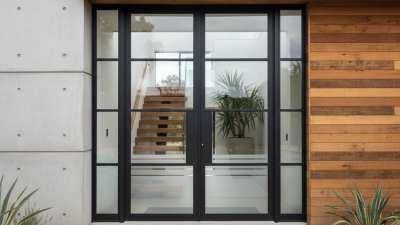
Color and hardware choices can enhance or detract from a door’s appearance. Bold colors can make a statement, while traditional hues offer timeless elegance. When selecting hardware, consider both style and functionality. Experts suggest that the right handles and locks should complement the door's design. Yet, many homeowners overlook this detail, which can affect overall appeal. Prioritizing these aesthetic factors can lead to a more cohesive look for your home.
Material Selection: Wood, Fiberglass, or Steel for Durability
Choosing the right material for a double door front door is essential for durability.
Wood, fiberglass, and steel each have their benefits and drawbacks.
Wood offers a classic aesthetic but requires regular maintenance to prevent warping and decay.
Fiberboard doors do not warp and resist denting; however, they might lack the warmth of wood.
Steel doors are extremely durable and can withstand harsh weather, yet they can be prone to rust if not properly treated.
When considering your options, think about the local climate. A humid environment can cause wood doors to swell or rot.
A challenging landscape may lead you to prefer steel for its robustness.
Tips: Evaluate your budget carefully. Higher upfront costs may pay off in the long run. Always check the door's energy efficiency ratings. This can save on heating or cooling costs.
It's essential to weigh aesthetics against performance. A beautiful wooden door might need more upkeep. On the other hand, steel might seem cold.
Find the balance that fits your style and maintenance preferences. Keep in mind that your choice affects not just the entrance but also the overall feel of your home.
Energy Efficiency Ratings in Double Door Designs: What You Should Know
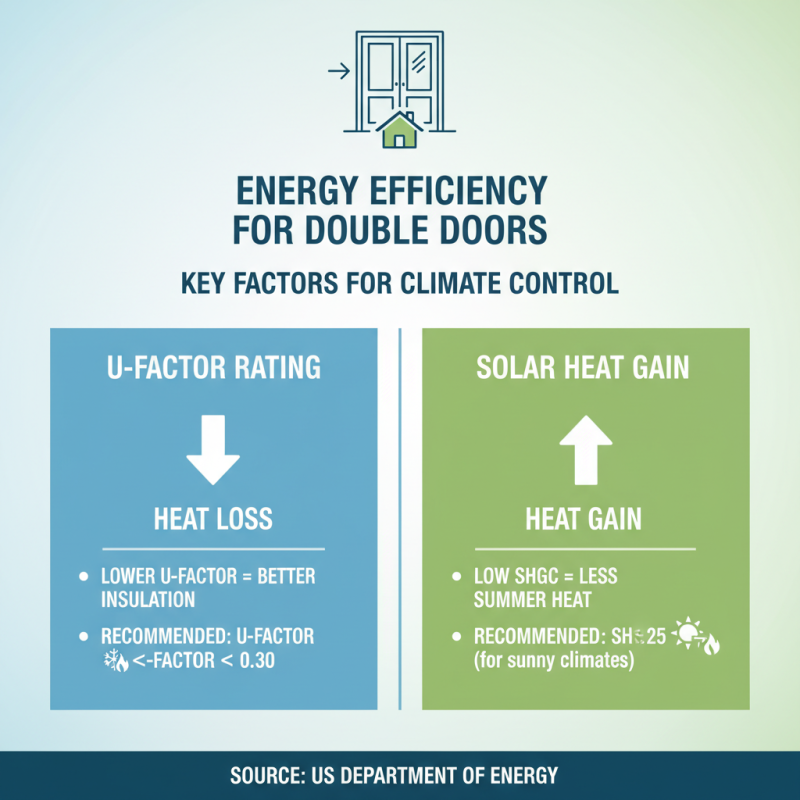
When selecting a double door front door, energy efficiency is critical. Energy efficiency ratings help determine how well doors resist heat transfer. According to the U.S. Department of Energy, doors with low U-factor ratings are essential for minimizing heat loss. U-factors under 0.30 are recommended for climates with extreme temperatures.
Considerations extend beyond U-factor. Insulation values play a role too. Look for doors with an R-value of at least 5, indicating decent thermal resistance. Energy Star certified doors offer assurance of energy efficiency. These doors are tested and meet specific standards set by the EPA.
Tips: Always check for a door's air leakage rating. A tight seal reduces energy loss, making your home more efficient. Research installation techniques. Poor installation can negate the efficiency of even the best doors.
Incorporate your style with efficiency. While aesthetics matter, ensure energy performance does not take a backseat. Balancing design and function often leads to tough decisions. Reflect on the climate where you live. Not all doors suit every environment perfectly, leading to potential energy waste.
Security Features: How to Choose Reinforced Double Doors
When selecting reinforced double doors, security features are crucial. One key aspect is the material used. Consider steel or fiberglass for durability. They withstand impact better than wood. Ensure the doors have a solid core. This makes them harder to breach.
Look for reliable locking mechanisms. Deadbolts provide extra security. Choose locks that are resistant to picking. Multi-point locking systems are also worth consideration. They engage at multiple points, ensuring a tighter seal.
Don’t overlook the importance of installation. Poorly installed doors can compromise security. Seek a professional for precise fitting. Extra features, like peepholes or security cameras, can enhance safety. It’s wise to research these options thoroughly. Reflect on your specific needs and environment. Balancing aesthetics with security is a challenge. Always aim for a door that feels secure and looks inviting.
Security Features of Double Door Front Doors
Cost Analysis: Balancing Quality and Budget for Double Doors
When selecting double doors for your front entry, cost plays a pivotal role.
The initial investment often includes the doors themselves, hardware, and installation.
High-quality materials like fiberglass or solid wood can be pricier, yet they improve durability and energy efficiency.
Balancing quality with budget can be challenging. A lower price might tempt you, but consider the long-term costs associated with cheaper options, like maintenance and energy bills.
Customization also impacts the final cost. Decorative features and advanced locking systems raise the price tag.
It’s essential to assess your priorities. If aesthetics are key, investing more upfront might fulfill your vision.
However, if you're constrained by budget, explore mid-range options that still offer reasonable quality.
Sometimes, a less expensive choice can meet your needs with a little creativity in design.
Ultimately, don’t rush the decision. Research multiple suppliers and compare quotes.
Ask for insights on their longevity and performance. Feedback from previous customers can provide valuable information.
Reflect on what truly matters to you in a door. Is it security, style, or insulation?
The right choice requires thoughtful evaluation, balancing immediate costs with long-term benefits.